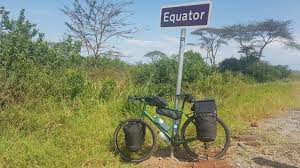




Gravel Bikepacking Adventure: How to Explore Off-Road Routes Safely
Imagine riding a bike down a quiet dirt road, far from cars and traffic. You hear only the crunch of gravel under your tires and the wind brushing past you. No rush. No noise. Just you and the open road.
This is gravel bikepacking an exciting way to explore off-road cycling while carrying everything you need for short trips or multi-day adventures.
In this guide, you’ll learn what gravel bikepacking is, why it’s so popular, and how to start your own journey
even as a beginner. We’ll also highlight Uganda’s amazing gravel roads, perfect for off-road cycling adventures.
What Is Gravel Bikepacking?
Gravel bikepacking is a mix of gravel riding and bikepacking.
- Gravel riding; involves cycling on dirt roads, gravel paths, and rural trails. These quieter, more scenic routes are far from busy highways.
- Bikepacking; is like backpacking on a bike. Riders carry essentials clothes, food, camping gear in small bags attached directly to the bike rather than using heavy racks.
Together, gravel bikepacking allows you to travel long distances off-road while carrying all your essentials. It’s freedom, adventure, and self-reliance in one experience
Why Gravel Bikepacking Is Popular
- Gravel bikepacking offers a unique sense of freedom. You can leave busy roads behind and explore hidden paths, farms, forests, and villages.
- It also connects you with nature. You’ll notice the smell of fresh earth after rain, the sound of birds, and the changing sky.
- There’s also a sense of adventure and challenge. Gravel roads are uneven and sometimes muddy, but overcoming small obstacles makes the journey rewarding.
- Finally, it builds confidence and endurance. Long rides on mixed terrain test your strength, patience, and problem-solving skills, creating unforgettable memoriesEssential GearYou don’t need fancy equipment to start, but having the right gear makes a big difference.
- Bike
A gravel bike is best, though a mountain bike works too. Look for comfort, durability, and tires suitable for dirt roads.
- Bikepacking Bags
- Frame bag: inside your bike frame
- Saddle bag: under your seat
- Handlebar bag: front of your bike
These keep your load balanced and easy to carry.
- Camping Gear
If staying overnight:
- Sleeping bag
- Optional: small stove or pot
- Food and Water
- Lightweight tent
Carry water and high-energy snacks. Plan refill points along your route.
- Repair Kit
- Spare tube
- Pump
- Multi-tool
- Chain lube
- Safety Gear
Helmet, gloves, lights, and a basic first aid kit are essential.
Planning Your First Trip
- Pick a Beginner Route
Start with moderate distances and accessible roads. Avoid extremely rough terrain for your first ride.
- Plan Daily Distances
30–60 km per day is ideal for beginners. Gravel riding is slower than paved roads, so allow extra time.
- Check the Weather
Dirt roads can get muddy after rain or dusty in dry seasons. Always check the forecast.
- Safety and Communication
Tell someone your route, carry a phone with GPS, and pack a small first aid kit.
- Know the Terrain
Research maps or apps, and note stops for water, food, or repairs.
What to Expect
Gravel bikepacking can be challenging. Roads may be dusty or muddy, and hills require extra effort. You may feel tired or sore, but the rewards are huge:
- Stunning landscapes
- Quiet villages
- Wildlife sightings
- Personal satisfaction
Every challenge adds to the adventure. Riding off the beaten path is peaceful and rewarding.
Gravel Bikepacking in Uganda
Uganda is a hidden gem for gravel bikepacking. Its red dirt roads, rolling hills, and scenic countryside make every ride an adventure.
Popular Routes

- Kampala to Fortportal: quiet rural roads, farms, and planation views
- Sipi Falls Gravel Route: forests, tea plantations, and waterfalls
- Jinja and Nile Trails: gravel paths along the Nile with breathtaking scenery
Uganda offers scenic diversity flat plains, hills, rivers, and forests. Local communities are friendly, often welcoming cyclists, adding a cultural touch to your adventure.
Tips for Beginners
- Start small with 1–2-day trips
- Pack light and carry only essentials
- Ride at your own pace
- Learn basic bike repairs
- Be flexible plans may change with weather or terrain
Beginner riders often underestimate preparation. Each trip teaches you about your bike, the terrain, and yourself.
Conclusion
Gravel bikepacking is more than cycling it’s freedom, adventure, and a journey into nature. Where paved roads end, your adventure begins.
You don’t need to be an expert. All you need is curiosity, courage, and a bike. Every dirt path tells a story, every hill makes you stronger, and every mile brings accomplishment.
Uganda, with its red dirt roads, rolling hills, and welcoming communities, is perfect for starting your gravel bikepacking journey. Grab your bike, pack your bags, and discover the adventure waiting where the road disappears.